La seguridad minera suele enmarcarse en torno a controles de ingeniería, sistemas de protección, inspecciones y supervisión regulatoria. Esos elementos son esenciales, pero dependen de algo menos visible: la comunicación precisa. En entornos industriales de alto riesgo, el lenguaje escrito tiene peso operativo.
Las operaciones mineras internacionales generan un flujo continuo de documentación. Los manuales técnicos se mueven de los equipos de diseño a los ingenieros de campo. Las políticas corporativas de seguridad se implementan en regiones con realidades lingüísticas distintas. Las autoridades regulatorias exigen documentación alineada con la terminología legal nacional. En ese panorama, la traducción técnica para la seguridad minera se integra en la ejecución cotidiana.
Para los ejecutivos que supervisan el cumplimiento, las operaciones y el riesgo, la gestión lingüística afecta mucho más que la estética documental. Define cómo se interpretan los estándares, cómo se siguen los procedimientos y con cuánta consistencia se aplican los marcos de gobernanza. Para ellos, este artículo de Bilingual explica cómo los servicios de traducción técnica refuerzan los estándares de seguridad minera, abordan las barreras lingüísticas y respaldan el cumplimiento de las regulaciones de seguridad minera en entornos multilingües.
Cuando la comunicación se cruza con el riesgo operativo
Los sitios mineros funcionan bajo una presión operativa constante. Los cronogramas de producción, los controles ambientales y la coordinación de la fuerza laboral convergen en condiciones estrictamente reguladas. La documentación respalda cada uno de estos elementos: especificaciones de equipos, registros de inspección, procedimientos de mantenimiento, clasificaciones de peligros y protocolos de emergencia.
Cuando la traducción carece de rigor técnico, las inconsistencias comienzan a aparecer. La terminología puede variar entre versiones en distintos idiomas. Las expresiones técnicas pueden perder precisión. Las instrucciones pueden leerse de manera diferente a lo originalmente previsto. Ninguno de estos cambios parece dramático por sí solo, pero en conjunto crean espacio para la interpretación.
El impacto de la traducción técnica en la seguridad minera se hace evidente en la fluidez con que se ejecutan los procedimientos entre sitios. Los equipos que trabajan con terminología estable e instrucciones claras operan con mayor previsibilidad. Donde la documentación diverge, la aclaración suele darse de manera informal, y esa variabilidad influye en los resultados de capacitación, la precisión de los reportes y la consistencia de las auditorías.
Estándares de seguridad minera y alineación regulatoria en operaciones multilingües
Los estándares corporativos de seguridad minera suelen definirse de manera centralizada y desplegarse en múltiples jurisdicciones. Traducir estos marcos exige un control estricto sobre la terminología y la equivalencia regulatoria.
La consistencia entre idiomas es esencial. Las clasificaciones de equipos, las categorías de peligros, los pasos procedimentales y la terminología de reporte deben mantenerse uniformes. Sin una gestión terminológica estructurada, las discrepancias pueden surgir entre regiones, complicando auditorías y comparaciones de desempeño.
Las regulaciones de seguridad minera también varían por país. El lenguaje legal, los formatos de documentación y las expectativas de cumplimiento difieren, lo que exige que los materiales traducidos se alineen con precisión a los requisitos locales. Las presentaciones regulatorias, el contenido de capacitación y las políticas internas deben reflejar la terminología reconocida por las autoridades.
Los servicios estructurados de traducción técnica respaldan esto mediante:
- Mantenimiento de glosarios multilingües controlados
- Validación de la terminología contra las regulaciones locales
- Sincronización de actualizaciones en todas las versiones de idioma
- Preservación de la trazabilidad para inspecciones
Cuando los estándares de seguridad y el lenguaje regulatorio permanecen alineados, las organizaciones reducen la exposición al cumplimiento y refuerzan la estabilidad de la gobernanza en operaciones internacionales.
Precisión en entornos de alto riesgo
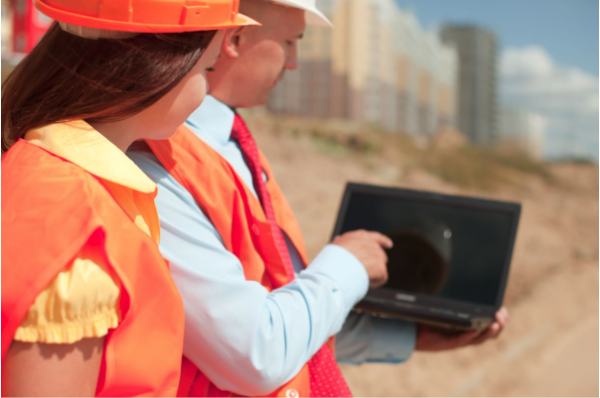
Las operaciones mineras combinan complejidad mecánica con criterio humano. Los trabajadores consultan instrucciones escritas durante la operación de equipos, las inspecciones de rutina, las tareas de mantenimiento y los simulacros de respuesta a emergencias. La claridad no es opcional.
La ambigüedad en la documentación traducida introduce vacilación. Los trabajadores pueden buscar aclaraciones de sus colegas o interpretar las instrucciones con base en experiencias previas. Las variaciones en la redacción pueden influir en cómo se entienden los procedimientos, particularmente en situaciones sensibles al tiempo.
Una traducción técnica precisa para la seguridad minera respalda la confianza en la documentación. Los supervisores comunican las expectativas usando terminología que se alinea con los materiales escritos. Los ingenieros revisan las especificaciones sabiendo que las mediciones y los umbrales de seguridad se han preservado con precisión. Los programas de capacitación mantienen la coherencia porque los materiales traducidos reflejan un lenguaje consistente.
En los sectores de alto riesgo, la precisión en el lenguaje refuerza la precisión en la acción.
Abordando las barreras lingüísticas en equipos mineros globales
La industria minera depende de la movilidad internacional. Ingenieros, contratistas y especialistas técnicos suelen colaborar entre regiones. Las barreras lingüísticas están, por lo tanto, integradas en las estructuras operativas.
Sin una gestión lingüística sistemática, la calidad de la comunicación fluctúa. La interpretación informal puede llenar vacíos, generando terminología inconsistente y una transferencia desigual del conocimiento.
Las organizaciones que invierten en soluciones estructuradas de traducción técnica suelen priorizar:
- Manuales de seguridad multilingües estandarizados distribuidos en todos los sitios
- Bases de datos terminológicas centralizadas accesibles para todas las regiones
- Plataformas digitales de capacitación localizadas y alineadas con los materiales originales
- Etiquetado de peligros y señalización en sitio consistentes en los idiomas operativos
Este enfoque disciplinado reduce la dependencia de explicaciones improvisadas. La información circula de manera más confiable entre las oficinas centrales y las operaciones de campo. Las actualizaciones a los estándares de seguridad minera pueden implementarse sin alterar su significado entre idiomas.
Cuando las barreras lingüísticas se abordan de forma proactiva, la participación en la capacitación mejora y la coordinación interna se vuelve más predecible.
Integrando la traducción técnica en la gobernanza

Desde una perspectiva de liderazgo, la seguridad minera es inseparable de la exposición financiera y la continuidad operativa. Las interrupciones en la producción y las investigaciones regulatorias tienen consecuencias medibles. Los marcos de gobernanza dependen de documentación precisa para funcionar efectivamente.
Los servicios de traducción técnica deben, por lo tanto, incorporarse en la planificación del cumplimiento en lugar de tratarse como un requisito reactivo. La documentación multilingüe influye en cómo se registran los incidentes, cómo se interpretan las políticas y cómo se conducen las auditorías.
Cuando la traducción técnica para la seguridad minera se gestiona de manera sistemática, las organizaciones se benefician de:
- Reportes de cumplimiento transfronterizos más claros
- Mayor consistencia en las métricas de desempeño de seguridad
- Comunicación más confiable entre operaciones regionales
- Inspecciones regulatorias más fluidas respaldadas por documentación alineada
En Bilingual, nuestras soluciones de traducción técnica están diseñadas para industrias donde la documentación tiene significado operativo. Los proyectos mineros exigen experiencia en la materia, disciplina terminológica y procesos controlados de aseguramiento de calidad. Nuestros equipos combinan lingüistas experimentados con tecnología avanzada para gestionar documentación multilingüe de manera eficiente y segura.
Operando desde seis ubicaciones globales y certificados bajo los estándares ISO 9001 e ISO 17100, brindamos servicios estructurados de traducción técnica adaptados a sectores de alto riesgo. Nuestros procesos enfatizan la trazabilidad, la consistencia y la protección de datos, elementos esenciales en entornos regulados.
Una consideración estratégica para los líderes de la industria
Los ejecutivos mineros evalúan regularmente la resiliencia de la infraestructura, el desempeño ambiental y la eficiencia productiva. La integridad comunicacional merece una atención similar.
Las organizaciones que formalizan su enfoque hacia los servicios de traducción técnica fortalecen su capacidad de mantener estándares consistentes de seguridad minera en todo el mundo. Reducen la incertidumbre vinculada a las barreras lingüísticas y refuerzan las estructuras de cumplimiento diseñadas para resistir el escrutinio regulatorio.
En Bilingualnos asociamos con empresas que gestionan operaciones complejas y multilingües que requieren precisión y escalabilidad. Si tus actividades mineras abarcan múltiples sistemas regulatorios e idiomas, las soluciones estructuradas de traducción técnica pueden reforzar tu estrategia de seguridad mientras respaldan un crecimiento operativo sostenible.